
UPS and industrial battery recycling in Tijuana
Expired UPS banks, data-center backup and lead-acid industrial batteries: the most delicate stream in e-waste. We remove them with safe handling and hand you the evidence of their disposal.
- Records per lot
- Data destroyed where it applies
- Pickup at your facility
- NOM-161 compliance
What we take
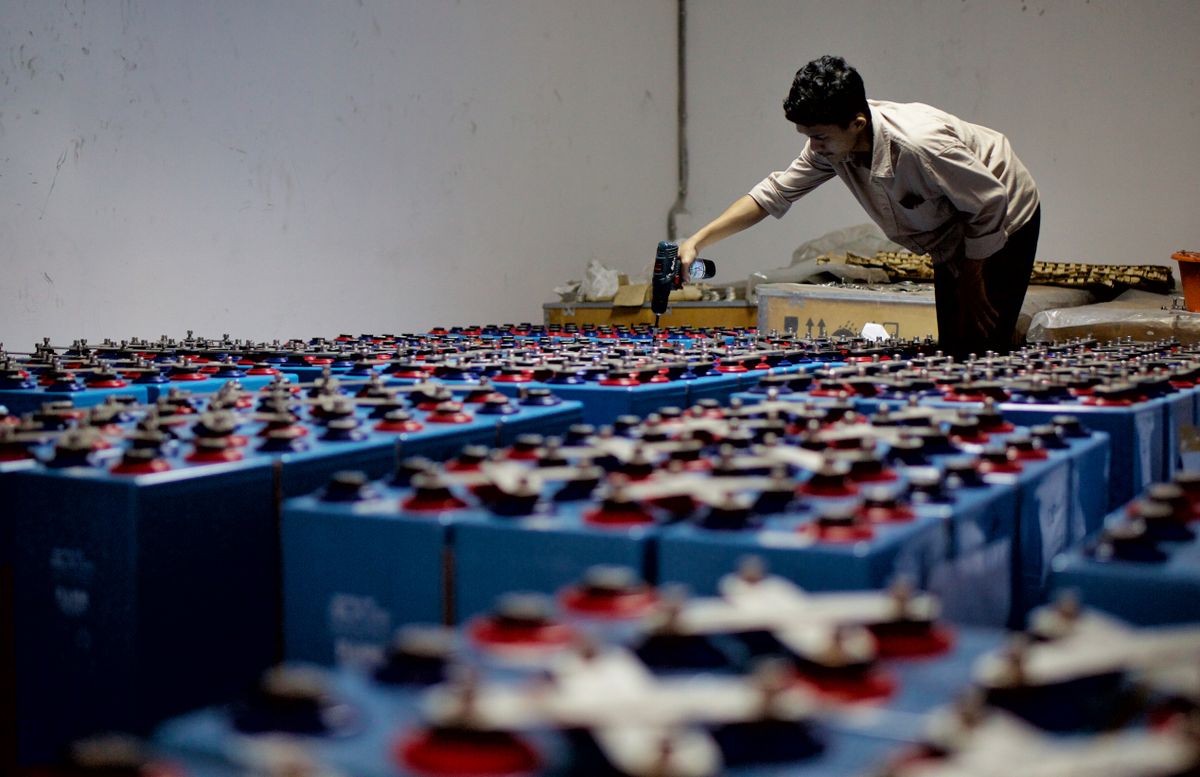
UPS battery banks
Backup power in offices, plants and data centers is replaced every 3–5 years; we remove the complete bank.
Lead-acid batteries (VRLA/AGM)
The most common chemistry in industrial backup. Handled as a regulated stream, with proper containment and transport.
Mobile and emergency equipment batteries
Electric forklifts, emergency lighting, alarm systems and telecom installations — lead-acid chemistry.
How it works
- 1
Identify the chemistry and volume
Tell us what type of batteries you have (photos of the labels work) and how many. Each chemistry follows a different route.
- 2
Pickup with safe handling
Collection with the containment and packaging each stream requires, and chain of custody from your site onward.
- 3
Routing and evidence
Each lot is routed to its recovery or disposal process under the applicable regulation, and you receive the documentary record.
Related pages
Questions about industrial batteries
What battery types do you take?
Lead-acid batteries (UPS banks, VRLA/AGM industrial backup, forklifts, emergency lighting), in business volumes. Lithium batteries (Li-ion, LiFePO4) are not a stream we currently take: if your lot includes them, flag it when requesting the quote and we will tell you upfront. We do not take household batteries from individuals.
Are used batteries hazardous waste?
It depends on the chemistry and condition: many used batteries — lead-acid in particular — qualify as hazardous waste in Mexico, under stricter rules than ordinary e-waste. That is why correct handling matters so much: we identify the stream and route it through the legal channel that applies to it.
Why should we not stockpile expired batteries?
Three risks. Fire, especially with damaged lithium or leaking lead-acid units. Environmental enforcement, since storing regulated waste without control is itself a finding. And value loss: recoverable lead has a market, but a leaking battery is worth less and costs more to dispose of.
Do you provide documentation of the disposal?
Yes. Every lot leaves under chain of custody and comes back as a documentary record of its handling and destination, ready for your environmental file and audits.